
Masonry Contractor in Lakeland Village, CA - Walls Built for Hillside Lots
E&M Lake Elsinore Concrete & Masonry is a masonry contractor working in Lakeland Village, CA. We find out why block walls, chimneys and foundations are cracking, then repair them or build new walls, walkways and pavers.
- Fully licensed and insured.
- Free in-person estimates.
- We respond within 1 business day.
Lakeland Village homes, from the shoreline to the hills
Lakeland Village runs along the southwest shore of the lake, between Lake Elsinore and Wildomar. It's mostly homes, with a few shops along Grand Avenue. On our jobs here we see a real mix. Older houses with brick chimneys and block walls that have been patched more than once sit right next to newer stucco homes, and plenty of lots have had a garage or back patio added over the years.
The ground shapes almost every job here. Houses on the hill side often sit on cut slopes held up by retaining walls, while lots toward the shore are flatter and stay wetter, so I look at where the water goes before I talk about block or brick.
Masonry work we do on Lakeland Village properties
Foundation repair
Hillside lots here can settle unevenly, so when a slab cracks or a door starts sticking, I look for where the ground moved before we repair anything.
Chimney repair
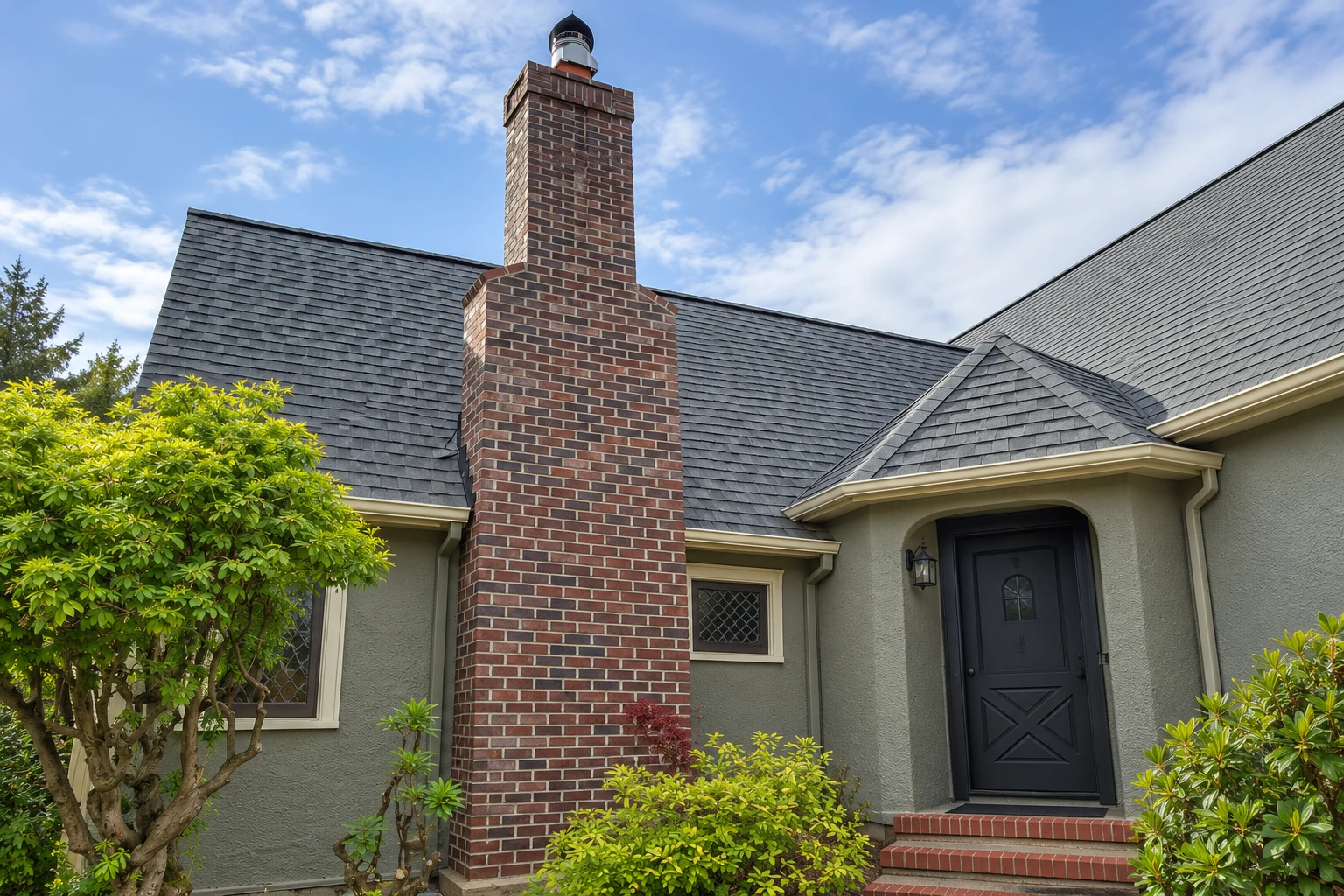
Older brick chimneys here take years of hot, dry wind and summer sun, so we fix loose crowns, cracked bricks and worn joints before they let water in.
Tuckpointing
When the joints on an older Lakeland Village house have gone sandy, we grind out the worn mortar and pack in fresh, matched to what's left.
Brick repair
A few flaking or cracked bricks don't mean a whole wall is gone, so we cut out the damaged ones and set matching brick in their place.
Driveway pavers
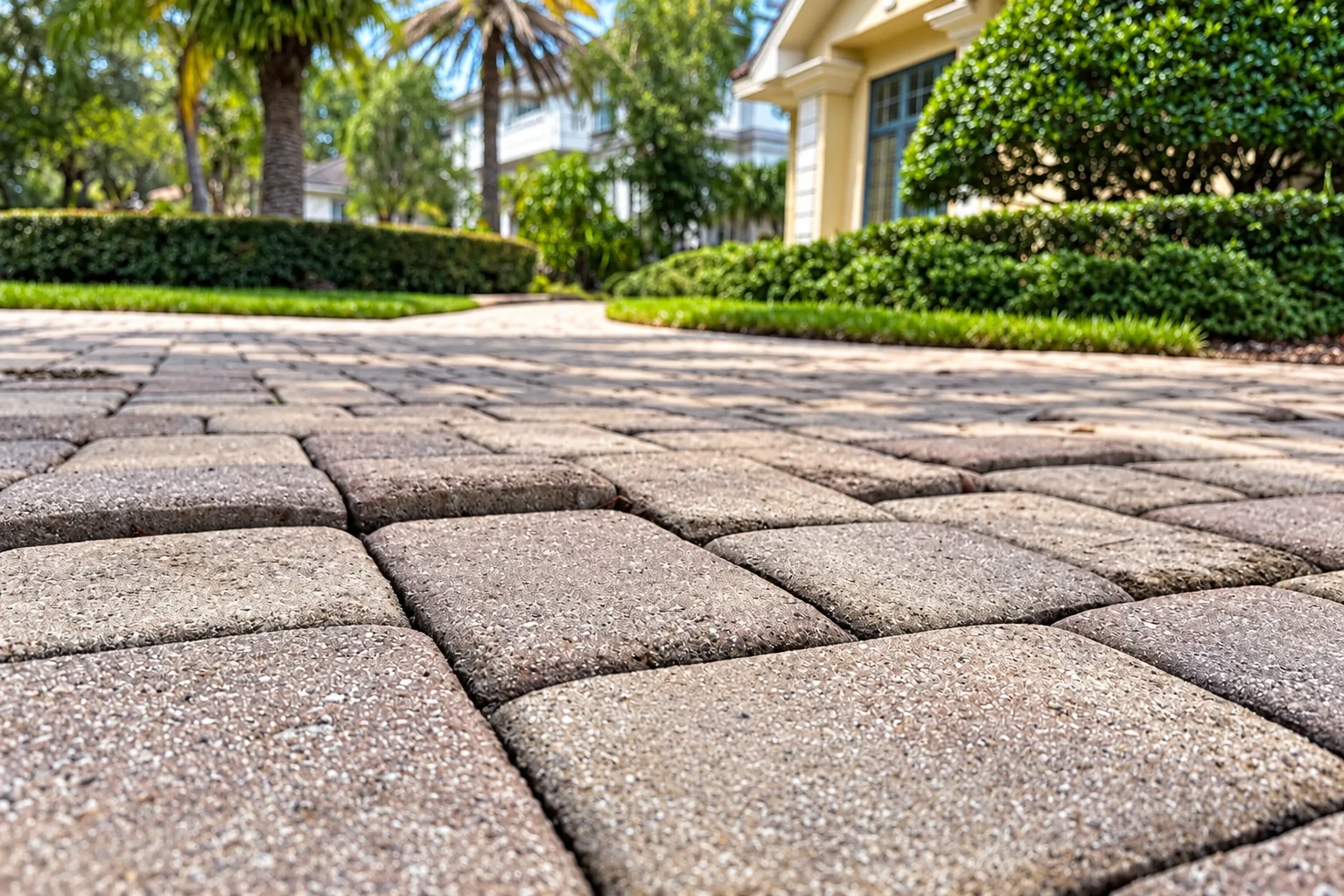
Pavers suit the sloped driveways off the hillside streets here because a compacted base and a solid edge keep them from creeping downhill the way loose gravel does.
Retaining wall construction
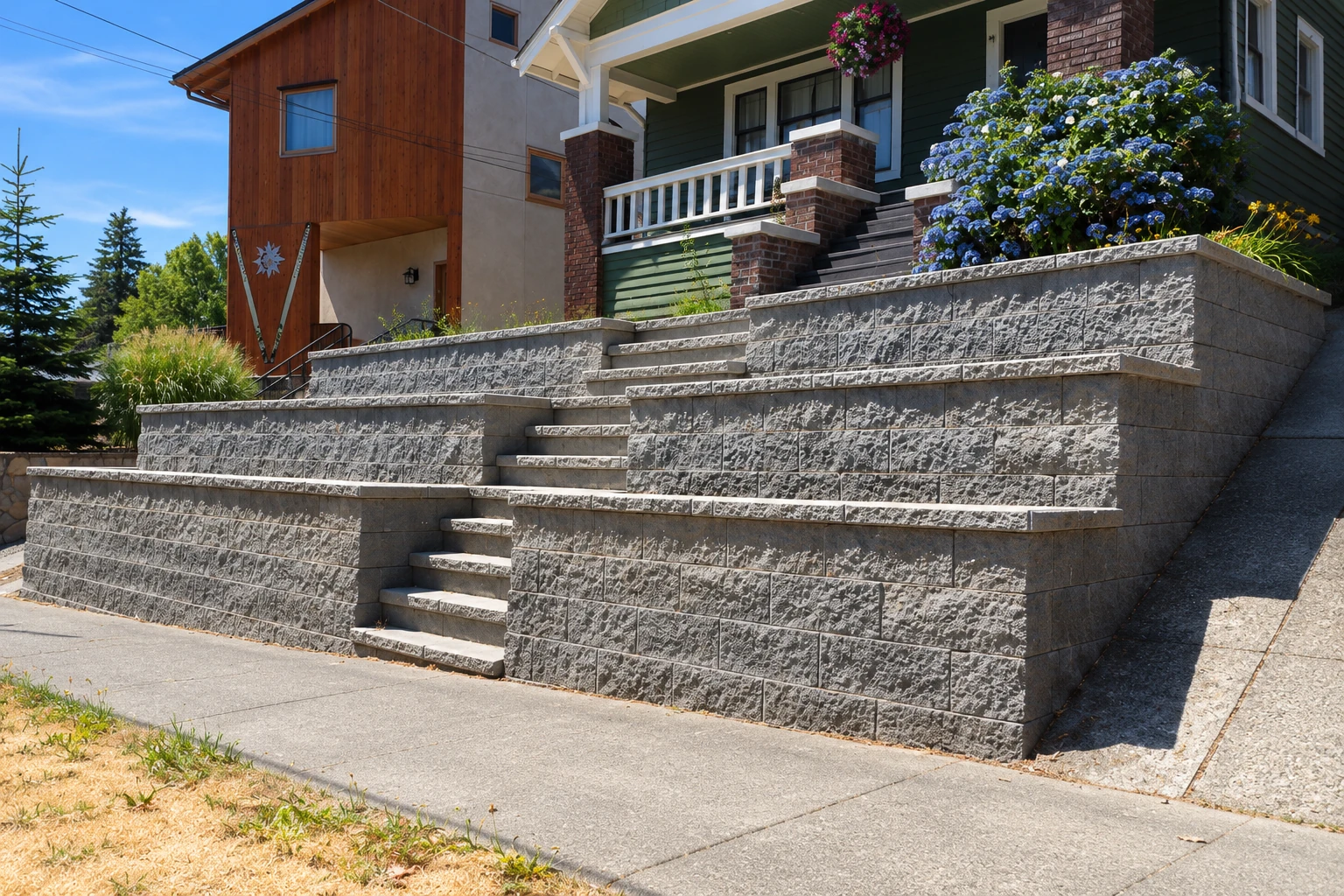
Lots climbing toward the hills often need a wall to hold the slope, so we build on a solid footing with drainage behind to relieve water pressure.
Masonry restoration
Older brick and stone work around the lake can usually be brought back, so we clean, repoint and repair what's sound instead of tearing it out.
Fireplace installation
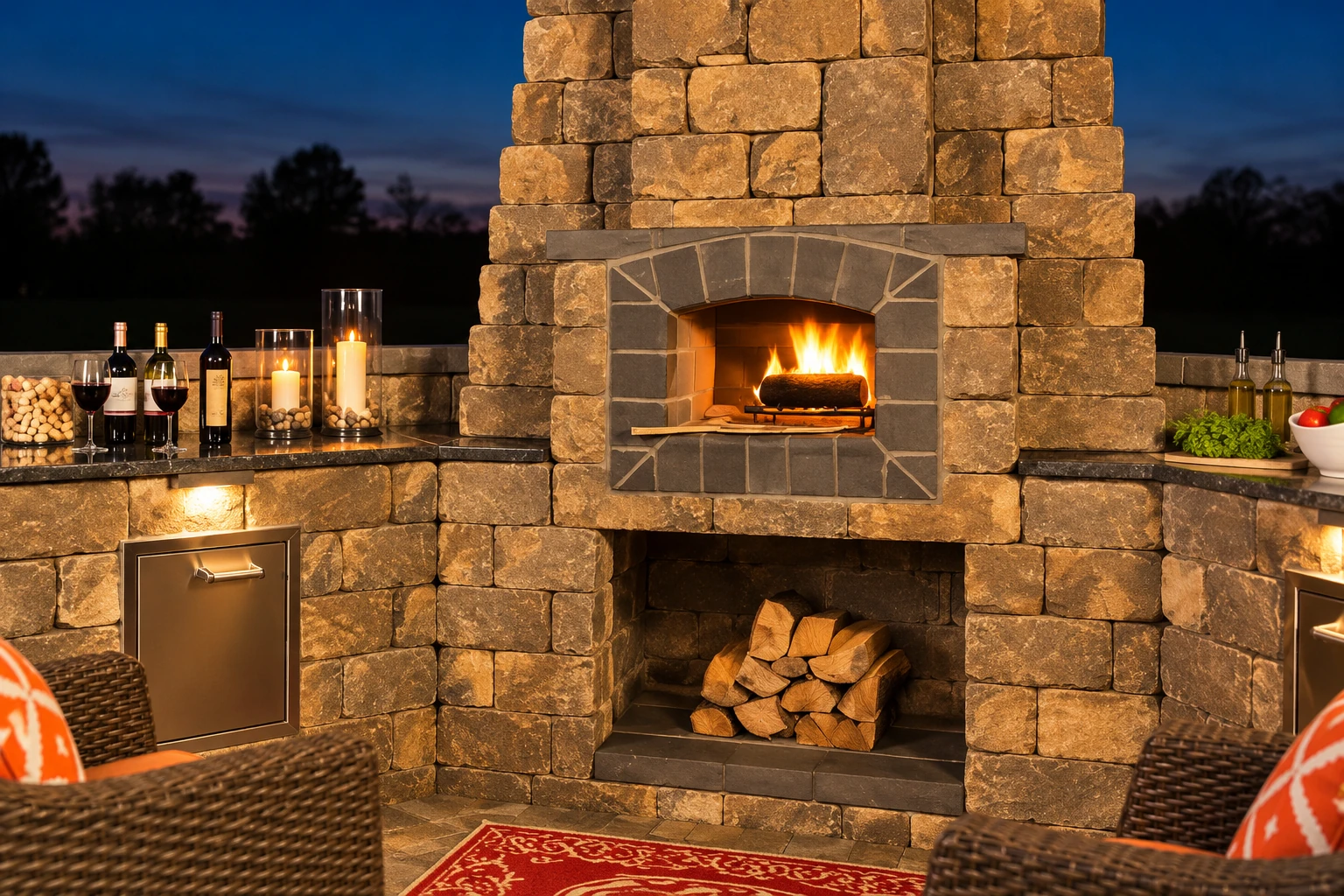
Lakeland Village evenings cool off fast once the sun drops behind the hills, and we build masonry fireplaces indoors or out, set on a proper base.
Stone veneer installation
Stone veneer gives a plain stucco front or block wall a natural stone face, and we set it over backing that lets water drain instead of being trapped.
Concrete block walls
Block walls are the usual property line wall here, and when one leans or cracks, I check the footing and the soil behind it before we rebuild.
Foundation block wall installation
On sloped lots an addition or garage often needs block foundation walls to make up the grade, and we lay them on footings sized for the ground.
Outdoor kitchen masonry
Plenty of yards here have room to cook outside, so we build block and stone outdoor kitchens, with counters and grill surrounds that handle summer heat.
Walkway construction
The walk to the front door is often a climb here, so we build walkways and steps in pavers, stone or concrete, pitched so rain runs off.
Brick wall installation
A brick garden or entry wall suits the older homes here, and we lay it on a poured footing with joints that let it move without cracking.
Stone masonry
Natural stone fits a yard that backs up to the hills, and we lay stone walls, steps and planters with joints built to shed water.
Brick pointing
When only a few joints have cracked or dropped out, pointing just those spots costs less than redoing the wall, and I'll tell you when that's enough.
Get a free on-site estimate in Lakeland Village
We reply within one business day to set a time, then I come out, look at the work up close and give you a free estimate on site. There's no obligation and no pressure to book.
(951) 579-7076- Based in
- Lake Elsinore, CA 92530
- Hours
- Mon–Sun: 6 AM–11 PM
Working in Lakeland Village, where the county issues permits
Lakeland Village is unincorporated, so there's no city hall here, and building permits go through Riverside County's Building and Safety Department instead. When your job needs a permit, we take care of the paperwork and plan the work around the county's inspections, and that timing usually sets the schedule more than the masonry does. Before you hire anyone, ask for their license from the California Contractors State License Board. We're fully licensed and insured.
Grand Avenue is the main way in, and a lot of the streets off it are narrow or steep, which decides where the block gets dropped and where the mixer can park. If the crew has to set up in the public road, that takes its own permit from the county's Transportation Department, and we sort it out with the rest. What moves the price here is mostly the lot, how steep it is and how far we carry material from the street, and the schedule turns on the county and on dry weather for pours, so the estimate is where you get your own figure. We do the same hillside work up the freeway in Temescal Valley, so these slopes are familiar ground.
Lakeland Village masonry and what wears it down
Slopes are the biggest thing. A wall holding back a hillside carries the weight of the soil and whatever rain soaks into it, so walls built without drainage or on a thin footing tend to lean, bulge or crack over the years. We find out which of those is happening before we pick a fix, because rebuilding a wall without changing what pushed it over just sets up the same failure.
Riverside County also gets hot, dry Santa Ana winds every year, and they pull water out of fresh mortar and concrete before it can harden properly. On windy days we wet the work, cover it and pour in the calmer hours, and that same dry heat is part of why older joints on chimneys and garden walls go sandy here.
How a masonry job runs in Lakeland Village
From your first call to the final walk-through, here's how a job goes with us and who you'll be dealing with at each step.
Call or send the form
Tell us what you're seeing and where the house is, and we'll set a time for me to come out. It helps if you're home for that visit so you can show me what you've noticed.
I look closely and price it
I look at the work up close, ask what you've noticed and when it started, and give you the estimate on site. You'll know what I think is failing and what the fix costs before you decide anything.
We sort out the county
Once you're ready, we take care of whatever the county asks for on your job and line the work up with its inspections. If the review holds up the start, I'll tell you where things stand.
The crew builds, I check
A lead mason runs the crew on site, and you can ask them anything as the work goes. When it's finished, I walk through it with you before we call it done.
Questions about masonry work in Lakeland Village
Does a block wall or fence in Lakeland Village need a building permit?
A fence no taller than 7 feet is on Riverside County's list of common projects that need no building permit, but a retaining wall isn't on that list, so don't assume it's exempt. The county's exempt-work handout was written under an earlier code, and an exemption still leaves the building rules in force, so the wall has to be built right either way. When your wall does need a permit, we handle the paperwork.
When does a contractor need a state license in California?
A contractor needs a state license when the job needs a building permit, uses any additional workers, or comes to $1,000 or more in labor and materials together. That covers most masonry work, since walls, chimneys and foundations alter a structure. We're fully licensed and insured, and any contractor should show you their license before you sign.
Could my Lakeland Village lot be in a flood zone?
It could, especially east of Grand Avenue, where the county's planning notes say lots generally reach the lake's edge and may be part of a Special Flood Hazard Area. A FEMA notice puts part of the area in Zone A, where the chance of flooding is 1 percent every year, while lots west of Grand Avenue run up to the base of the hills and may include steep slopes. On the lake side that makes footings, drainage and where a wall sits matter more, and I'll ask what you've seen in a wet winter when I'm out.
How much does masonry work cost in Lakeland Village?
The cost depends on the wall and the ground under it, so I give you a figure on site instead of guessing over the phone. A taller retaining wall needs a deeper footing and more drainage, tearing out an old wall adds labor, and stone usually costs more than block. Repairs usually cost less than rebuilding, and when only one section is failing, I'll tell you so instead of quoting the whole wall.
What causes block walls to crack on hillside lots?
Most cracked block walls on a slope come from water and soil pushing from behind, or from a footing that was too small for the load. A stair-step crack along the mortar usually points to settling, while a horizontal crack or a lean usually means pressure from the uphill side. I look at the drainage, the footing and the cracks together before I say whether it's a repair or a rebuild.
What is the best way to build a retaining wall on a slope in Lakeland Village?
Start with the footing and the drainage, because that's what holds a retaining wall up long after the block is laid. We dig to firm ground, pour a footing sized for the wall, lay reinforced block, and put gravel and a drain behind it with small weep holes near the bottom so water gets out. Riverside County's building rules cover grading and improvements across the unincorporated area, so on a slope I check with the county before we cut into the hill.
Lake Elsinore, CA
Tell us about your Lakeland Village project
Call (951) 579-7076 or send the form with what you're seeing, and ask about the county permit while you're at it, since knowing early whether you need one lets us plan the start date around it.